Advanced Leak Detection: Guard Your Home Against Hidden Water Damage
Proper leak detection serves a vital purpose in keeping a home in good condition. Undetected water damage often causes substantial financial burdens and potential health concerns. Homeowners often overlook early signs, such as unexplained stains or musty odors. By identifying these signals and applying sophisticated detection strategies, they can preserve their property's condition. Yet, a large number of homeowners are still uninformed about the best methods and resources at their disposal. What measures should homeowners adopt to ensure their property remains protected from these hidden dangers?
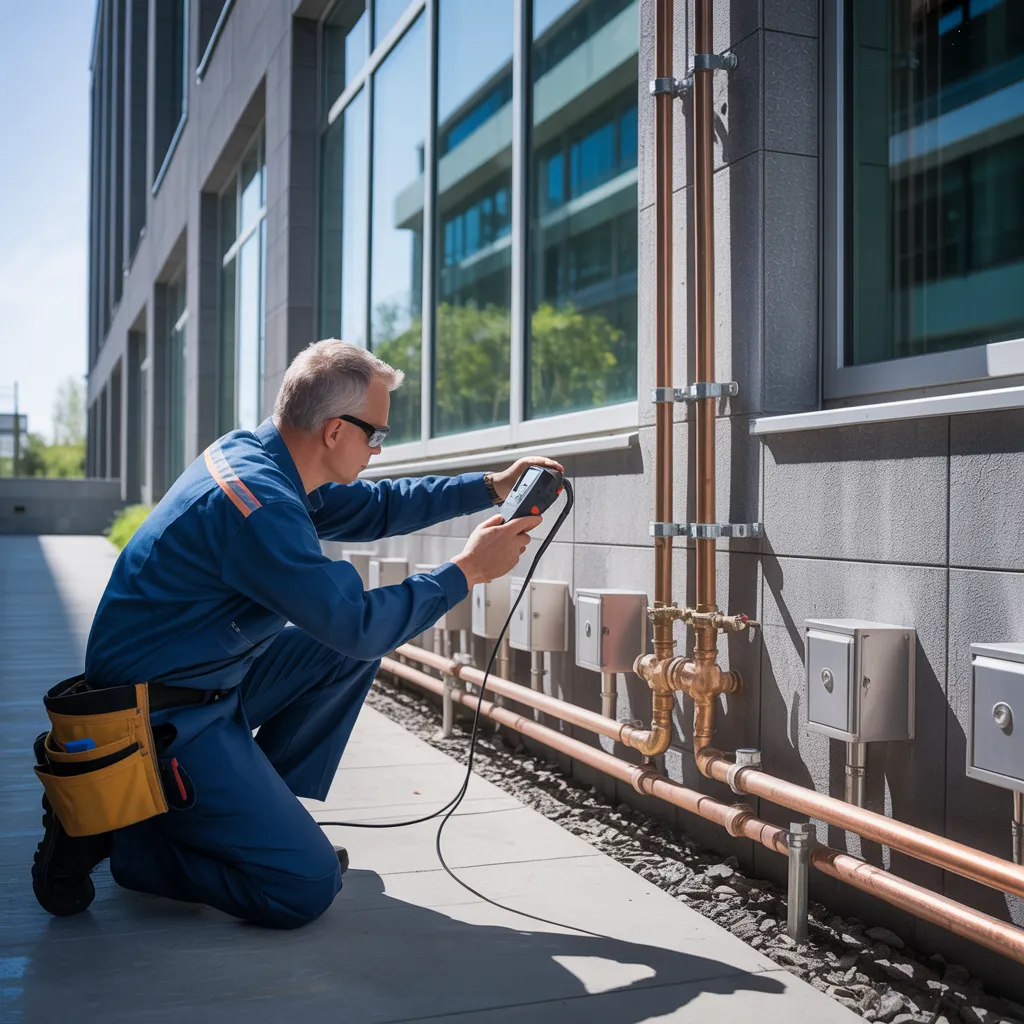
Reasons to Make Leak Detection a Priority
Why should homeowners prioritize leak detection? Homeowners should be aware that undetected leaks may cause considerable structural damage and high repair costs. Water intrusion can compromise the integrity of walls, foundations, and even electrical systems, leading to hazardous living conditions. Moreover, persistent moisture can encourage mold proliferation, which creates significant health concerns for those living in the home.
Investing in proactive leak detection protects the home while also increasing property value. By identifying leaks early on, homeowners can minimize potential harm, effectively eliminating the financial strain linked to significant repairs. Consistent inspections and sophisticated detection methods can expose underlying issues that could easily be overlooked. In the end, focusing on leak detection ensures the durability of the home and promotes a safer, healthier living space. By being vigilant, homeowners can protect their investment and maintain peace of mind.
Important Warning Signs of Water Leaks You Should Know
While water leaks might begin as minor issues, their indicators can grow more obvious if ignored. Homeowners should be vigilant for several common indicators of water leaks. A common indicator includes water stains appearing on ceilings or walls, which can manifest as brown or yellowish marks. Additionally, damp or discolored patches on the floor can signal moisture problems beneath the surface.
An additional warning sign is the noise of dripping or flowing water when no fixtures are in use. A sudden increase in the water bill, lacking an apparent cause, can also signal concealed leaks. Mold and mildew development in areas like bathrooms or basements is an additional serious indicator of ongoing moisture problems. Lastly, buckling or warped floors may indicate prolonged water exposure. By detecting these indicators in a timely manner, homeowners can take proactive measures to avoid extensive damage and expensive repairs.
Leading Methods for Effective Leak Detection
Detecting water leaks promptly is vital for maintaining a home's integrity and avoiding significant damage. Various methods are available for successful leak discovery, catering to different situations and preferences. Visual inspections often serve as the first line of defense; property owners can examine for evident clues including water discoloration or mold formation. Thermal imaging technology is yet another approach that applies infrared detection to pinpoint thermal differences, exposing unseen leaks beneath wall or ceiling surfaces.
Acoustic leak detection utilizes sound waves to locate leaks, making it especially effective for underground or concealed pipes. Pressure testing requires observing the pressure levels in plumbing systems to recognize anomalies that suggest potential leaks. Furthermore, moisture meters are capable of measuring dampness in materials, providing quantitative data on possible leak sources. All of these approaches present unique benefits, enabling homeowners to choose the most suitable approach for their specific needs and guaranteeing proactive steps against water damage.
Picking the Best Leak Detection Tools for Your Home
How read the facts can homeowners guarantee they are equipped with the right tools for effective leak detection? Picking suitable tools is vital for detecting hidden leaks prior to them causing considerable damage. Essential equipment consists of moisture meters, which evaluate humidity levels in walls and floors, aiding in locating damp zones. Infrared cameras are also valuable, as they detect temperature variations, indicating potential leaks behind surfaces.
In addition, acoustic detection tools can identify the audio signal of water leaking from plumbing lines. Individuals who choose non-electronic solutions, basic dye testing are effective for detecting toilet water leaks. Residents may also want to consider investing in smart leak detection systems that deliver real-time alerts through digital apps. At the end of the day, knowing the unique demands of their home and the types of potential leaks will guide homeowners in identifying the most effective plumbing detection equipment, guaranteeing they remain equipped to avoid costly water damage.
Establishing Preventative Actions to Combat Water Damage
Installing water-resistant materials in basements, kitchens, and bathrooms can significantly lower the risk of damage. Homeowners should also think about installing moisture detectors, which can provide early warnings of leaks. Strategic landscaping, including grading the ground away from the home, can help channel water away from the foundation. In the end, keeping indoor humidity levels in check can help prevent mold growth, which frequently results from undetected water problems. By implementing these preventive measures, homeowners can significantly lower the chances of expensive water damage.
When Should You Call a Pro for Leak Detection?
At what point should you seek expert help for leak detection? Property owners ought to reach out to an expert when they observe recurring damp patches, unexplained increases in water bills, or a persistent musty smell that remains even after thorough cleaning. Additionally, if water stains appear on ceilings or walls, this could be a sign of a concealed leak that demands specialized diagnostic equipment. Expert technicians are equipped with the knowledge and technology, such as thermal imaging cameras and moisture meters, to precisely determine the source of the problem.
In addition, should a homeowner find that self-applied remedies have failed, consulting a qualified professional is strongly recommended to prevent further damage. Properties featuring aging pipework or newly completed remodeling work present an increased probability of developing water leaks, underscoring the value of a qualified professional's review. Ultimately, prompt action taken by a qualified leak detection expert helps homeowners avoid substantial repair costs and serious water damage down the line.
Common Questions and Answers
What Is the Recommended Frequency for Checking Leaks in My Home?
Homeowners should check for leaks a minimum of two times per year, ideally during seasonal changes. Regular inspections assist in detecting problems before they worsen, limiting the extent of damage and associated expenses associated with hidden water leaks throughout the property.
Do Appliances Like Dishwashers or Refrigerators Have the Potential to Leak?
Yes, leaking can happen in appliances such as dishwashers and refrigerators. Over time, seals might degrade or hoses may sustain damage, leading to potential water damage if not routinely checked and serviced.
What Long-Term Damage Can Undetected Water Leaks Cause?
Undiscovered water leaks are capable of causing significant structural damage, the growth of mold, increased utility bills, and health issues. As time passes, these issues can worsen, causing costly repair work and possible loss of property value.
Are Leaks More Likely to Happen During Certain Seasons?
Leaks tend to occur more frequently throughout the winter months, as freezing temperatures can cause pipes to burst, and in spring, when melting snow and heavy rainfall can overwhelm drainage systems. Awareness of these seasonal patterns aids in preventive measures.
How Can I Tell if My Water Meter Indicates a Leak?
To check whether a water meter is showing a leak, the meter reading should be noted before and after a period of water inactivity. A difference in the reading points to a likely leak somewhere in the system.